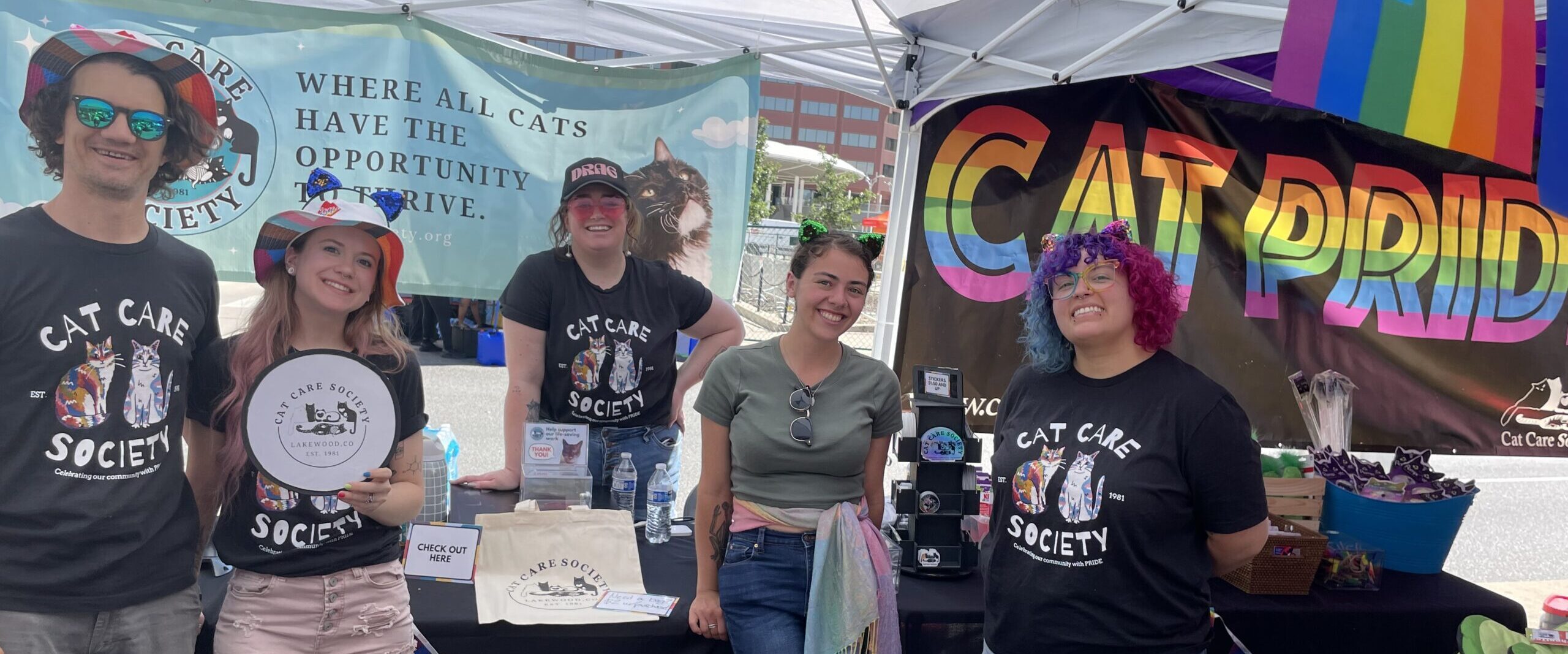
We’re a free-roaming cat shelter founded in 1981 to improve the quality of life for cats in need. Our unique approach views all cats as worthy, regardless of their age or abilities.
Cat Care Society’s emergency food bank offers cat food and supplies to people experiencing temporary financial challenges. Open 1st and 3rd Saturdays, 10 a.m. to noon.
To be a safe and enriching place for all cats on their journey to a loving home. We do this by providing compassionate care, shelter, adoption services and community engagement.
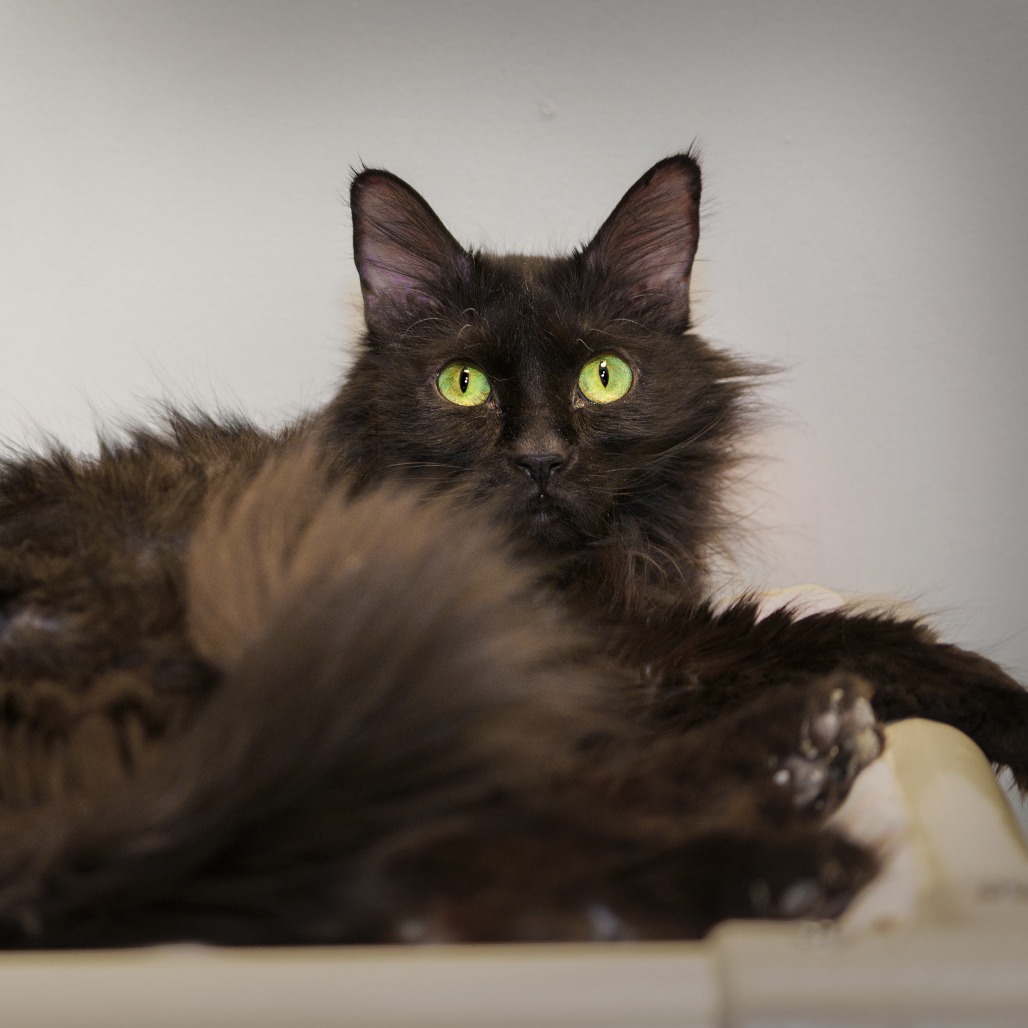
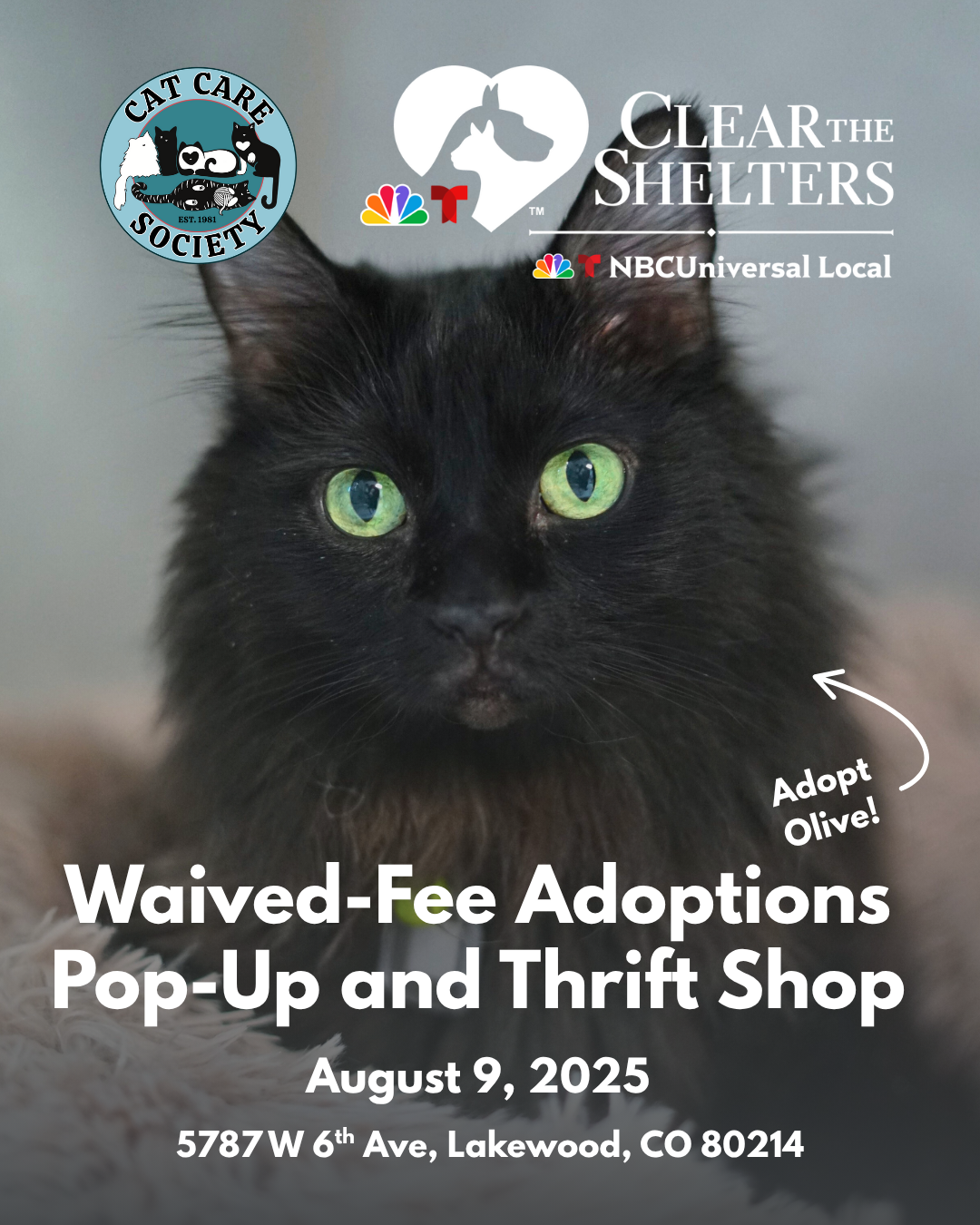
Olive is a spunky 7-year-old diabetic cat. With a mischievous personality, she’s quickly become a favorite amongst the staff at CCS. If you adopt Olive, we assure you there will never be a dull day in your household again! View her profile to learn more.
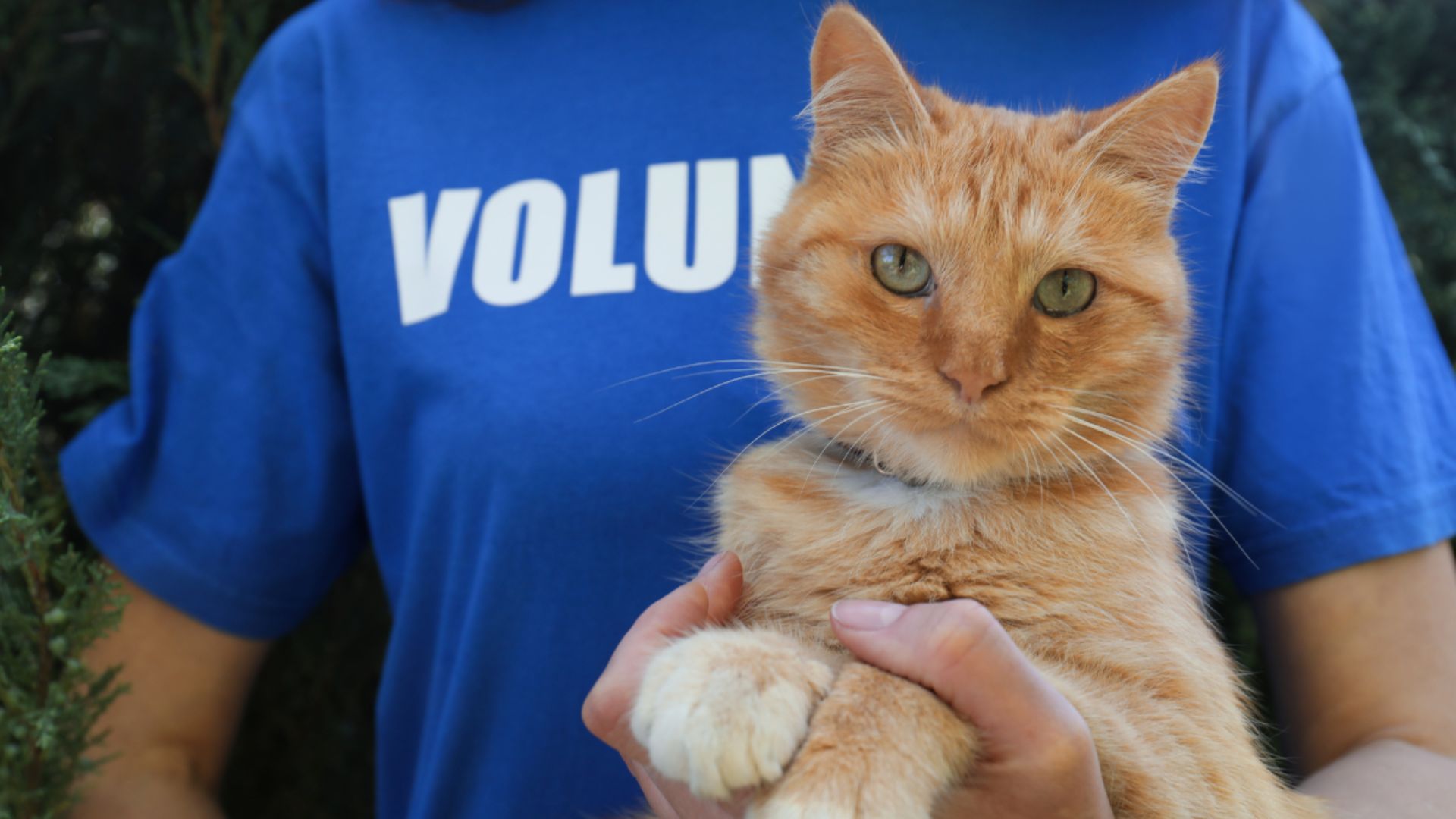
Get involved by giving back! We have many volunteer roles available to help support the cats in our shelter. A few hours can make a world of difference.
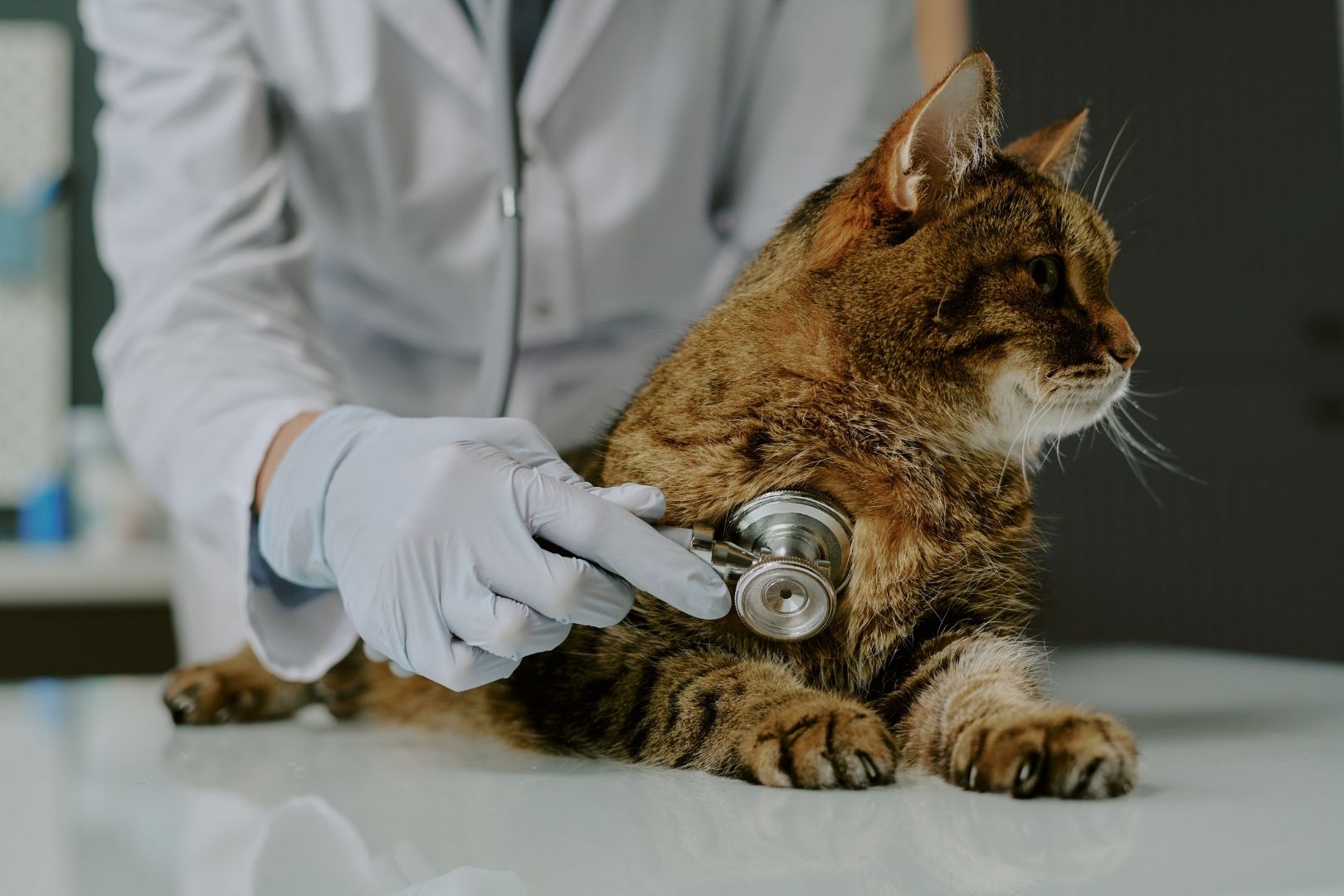
When was the last time you took your cat for a wellness exam? If you can’t remember, this article is for you—and you’re definitely not alone. Many people don’t consider taking their cat to the vet unless there’s an obvious issue, but this can unfortunately jeopardize their health and well-being. Cats are experts at hiding pain and illness, and by the time a problem becomes visible, it may already be advanced. Routine veterinary care is one of the most important things you can do to keep a cat healthy throughout their life.
Why Wellness Checkups Are Important
Cats instinctively mask pain or weakness. Problems common for cats, such as kidney disease, dental disease, or thyroid issues, can develop silently for months or even years. Regular wellness exams give veterinarians the chance to catch developing issues before they become more serious, improving long-term health and treatment outcomes.
Wellness exams cover much more than a simple once-over. Vets examine the cat’s teeth, skin, heart, lungs, weight, eyes, joints and internal organs. They also recommend vaccines, blood work, and parasite prevention. Addressing problems early usually means less invasive treatment, lower costs, and smoother recovery.
Wellness checkups are also a great time for you to ask any questions you might have specific to your cat, such as food recommendations, dental care, dietary supplements, or behavioral concerns.
What if my cat is an indoor cat?
Many people assume indoor cats are safe and need less medical care. While indoor living reduces some risks, it does not eliminate certain diseases or chronic medical issues. Indoor cats commonly struggle with obesity, dental problems, stress-related conditions, and age-related diseases that develop over time. Vets recommend checkups for indoor cats just as consistently as outdoor cats.
How Often Should Your Cat Receive a Checkup?
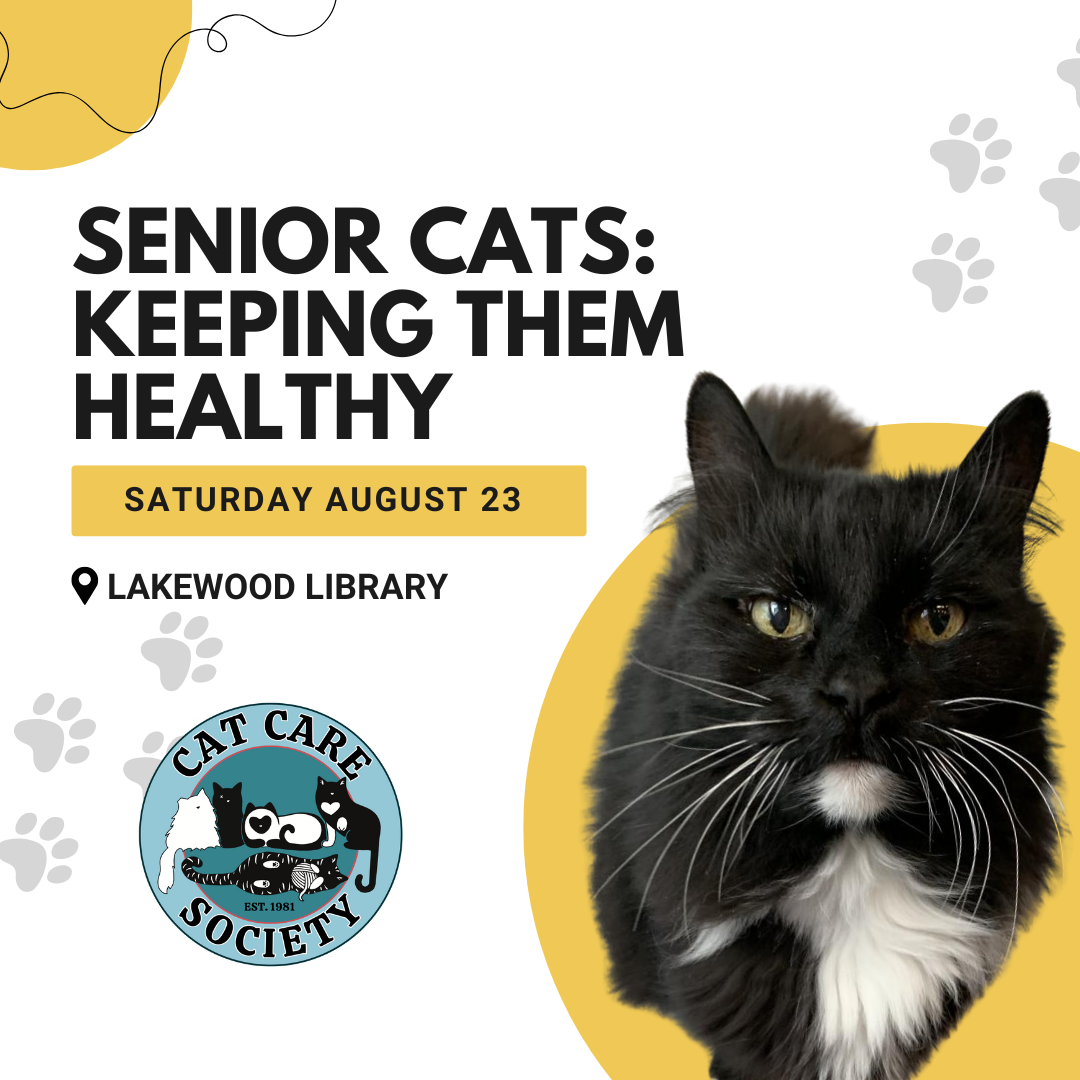
Cats often reach their senior years before their owners notice the subtle behavioral changes that come with aging. Because age-related illnesses can progress more quickly in older cats, more frequent checkups help ensure timely diagnosis and better support your cat’s health and comfort. Below are the minimum visit recommendations by the Merck Veterinary Manual based on cat age.
Kittens: Every 3-4 weeks until they are about 6 months old
Adult cats: At least once a year
Senior cats (over 8 years): Twice a year for earlier detection of chronic issues
Don’t wait for the next scheduled checkup if you notice any changes in your cat, such as shifts in appetite, grooming habits, litter box behavior or output, energy levels, sneezing, increased scratching, or any other behavioral changes—make an appointment with your veterinarian. Addressing concerns early is not only better for your cat’s health but it can also give you peace of mind.
Schedule Your Cat’s Checkup Appointment Today!
The CCS website lists a range of veterinary and medical resources for cat owners, including wellness services, low-cost clinics, and emergency care options. If you have pet insurance, review your plan details to see whether you also enrolled in a pet wellness plan, which can help cover routine care expenses. New to pet insurance? Check out our insurance guide for cat owners. All of these resources exist for a reason: cats need medical support just as much as dogs do, they are simply better at hiding it.
About the Author: Beth Dokolasa is a volunteer for Cat Care Society and serves on the Board of Directors. She is an instructional developer for Natural Grocers and lives in Indian Hills, Colo., with her husband, daughter, and two cats, Techno and Digit.
When was the last time you took your cat for a wellness exam? If you can’t remember, this article is for you—and you’re definitely not alone. Many people don’t consider taking their cat to the vet unless there’s an obvious issue, but this can unfortunately jeopardize their health and well-being. Cats are experts at hiding pain and illness, and by the time a problem becomes visible, it may already be advanced. Routine veterinary care is one of the most important things you can do to keep a cat healthy throughout their life.
Why Wellness Checkups Are Important
Cats instinctively mask pain or weakness. Problems common for cats, such as kidney disease, dental disease, or thyroid issues, can develop silently for months or even years. Regular wellness exams give veterinarians the chance to catch developing issues before they become more serious, improving long-term health and treatment outcomes.
Wellness exams cover much more than a simple once-over. Vets examine the cat’s teeth, skin, heart, lungs, weight, eyes, joints and internal organs. They also recommend vaccines, blood work, and parasite prevention. Addressing problems early usually means less invasive treatment, lower costs, and smoother recovery.
Wellness checkups are also a great time for you to ask any questions you might have specific to your cat, such as food recommendations, dental care, dietary supplements, or behavioral concerns.
What if my cat is an indoor cat?
Many people assume indoor cats are safe and need less medical care. While indoor living reduces some risks, it does not eliminate certain diseases or chronic medical issues. Indoor cats commonly struggle with obesity, dental problems, stress-related conditions, and age-related diseases that develop over time. Vets recommend checkups for indoor cats just as consistently as outdoor cats.
How Often Should Your Cat Receive a Checkup?
Cats often reach their senior years before their owners notice the subtle behavioral changes that come with aging. Because age-related illnesses can progress more quickly in older cats, more frequent checkups help ensure timely diagnosis and better support your cat’s health and comfort. Below are the minimum visit recommendations by the Merck Veterinary Manual based on cat age.
Kittens: Every 3-4 weeks until they are about 6 months old
Adult cats: At least once a year
Senior cats (over 8 years): Twice a year for earlier detection of chronic issues
Don’t wait for the next scheduled checkup if you notice any changes in your cat, such as shifts in appetite, grooming habits, litter box behavior or output, energy levels, sneezing, increased scratching, or any other behavioral changes—make an appointment with your veterinarian. Addressing concerns early is not only better for your cat’s health but it can also give you peace of mind.
Schedule Your Cat’s Checkup Appointment Today!
The CCS website lists a range of veterinary and medical resources for cat owners, including wellness services, low-cost clinics, and emergency care options. If you have pet insurance, review your plan details to see whether you also enrolled in a pet wellness plan, which can help cover routine care expenses. New to pet insurance? Check out our insurance guide for cat owners. All of these resources exist for a reason: cats need medical support just as much as dogs do, they are simply better at hiding it.
About the Author: Beth Dokolasa is a volunteer for Cat Care Society and serves on the Board of Directors. She is an instructional developer for Natural Grocers and lives in Indian Hills, Colo., with her husband, daughter, and two cats, Techno and Digit.
Note: Email is the quickest way to reach us. We experience high call volumes, so please leave a message and we’ll get back to you.
Sign up for our Mewsletter!
Shop Our Wishlists
Please include your full name on a gift note when sending donations through Amazon or Chewy, so we can properly acknowledge your generous contribution! Without it, we won’t be able to identify that the items are from you. Also, please keep your shopping receipt, as it serves as your official donation receipt.
Colorado Gives Day is Today!
Spark a chain of giving! Help us reach our goal today to raise $180,000 for Colorado cats in need!
Double your impact by joining the Cat-alyst Club, our community of monthly donors, and Colorado Gives Foundation will match your first month’s donation!